
In recent years, more Toronto parents are rethinking traditional music education for their children. While piano and violin have long been popular choices, a noticeable shift is happening Drum Lessons for Kids are quickly becoming a top pick. From boosting confidence to improving focus and physical coordination, drumming offers unique benefits that many other instruments simply can’t match.
So why are families across the city embracing drums? Let’s explore the key reasons why Drum Lessons for Kids are winning hearts in Toronto.
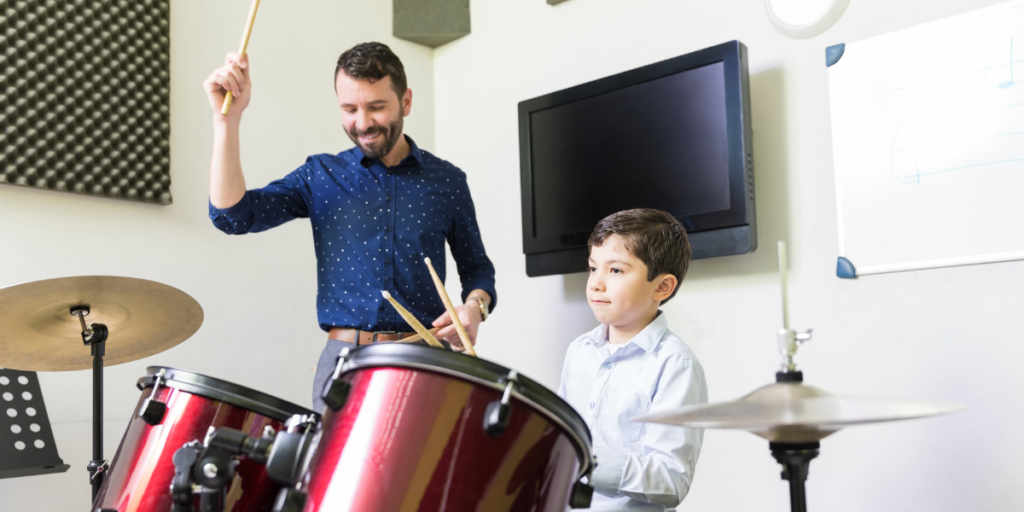
One of the biggest reasons parents choose Drum Lessons for Kids is how quickly children experience progress. Unlike some instruments that require months before a child can play a recognizable tune, drums allow kids to create rhythms almost immediately.
This early sense of achievement builds confidence. When children feel successful, they’re more likely to stay motivated and excited about learning. Parents often notice that kids who start drum lessons become more self-assured not just in music, but also in school and social settings.
Toronto parents know that many kids have a lot of energy and sometimes sitting still with a violin or piano isn’t realistic. Drumming is physical, engaging, and active, making it an ideal outlet for energetic children.
Drum Lessons for Kids help channel that energy into something productive. Playing drums involves full-body coordination, helping kids burn off excess energy while staying focused and disciplined. For children who struggle with attention, drumming can actually improve concentration over time.
Research shows that drumming engages both sides of the brain simultaneously. This makes Drum Lessons for Kids especially powerful for cognitive development. Kids learn to read rhythms, coordinate hands and feet, and stay in time all at once.
Parents in Toronto often choose drums because they support:
These benefits extend far beyond music, supporting overall academic growth.
Drums are rarely played alone for long. Whether it’s joining a band, playing along to music, or collaborating with other musicians, drumming is naturally social.
Many parents say Drum Lessons in Toronto help their kids develop teamwork skills and confidence in group settings. Children learn how to listen to others, follow structure, and contribute to a shared musical experience skills that are valuable for life.
Another major reason parents choose Drum Lessons for Kids is relevance. Drums are central to many music styles kids already enjoy rock, pop, jazz, hip-hop, and even electronic music.
When children connect their lessons to the music they hear every day, practice feels less like a chore and more like fun. This emotional connection helps kids stick with lessons longer compared to more traditional instruments.
Toronto life is busy, and parents appreciate flexibility. Many now prefer drum lessons at home, which eliminate travel time and allow kids to learn in a familiar, comfortable environment.
In-home lessons also help children stay relaxed and focused. Parents can easily monitor progress, and kids often feel less pressure compared to formal studio settings. This convenience is a major reason families are choosing drums over other instruments.
Drumming requires independence between hands and feet something few other instruments demand at an early stage. Drum Lessons for Kids improve:
These physical benefits are especially appealing to parents who want an activity that supports both mental and physical development.
Many parents choose Drum Lessons in Toronto because drums open doors to future opportunities. Drummers are always in demand for bands, school music programs, and performances.
Learning drums early gives kids a strong rhythmic foundation, making it easier to learn other instruments later. In many cases, drumming becomes a lifelong passion rather than a short-term activity.
With increasing screen time concerns, parents are actively looking for creative, hands-on activities. Drum Lessons for Kids provide a healthy break from devices while still feeling exciting and modern.
Instead of passive entertainment, drumming encourages creativity, discipline, and self-expression qualities parents value deeply.
Choosing the right instructor is essential. Programs like those offered by Elite Music Academy focus on age-appropriate instruction, structured learning, and personalized progress key factors that help kids thrive musically and emotionally.
It’s easy to see why more families are choosing Drum Lessons for Kids over traditional instruments. From confidence-building and brain development to flexibility and pure enjoyment, drumming offers a well-rounded musical experience.
For Toronto parents seeking something engaging, practical, and inspiring, drums are no longer just an alternative they’re the first choice.
Most children can start drum lessons as early as 5–6 years old, depending on coordination and attention span.
Yes, drum lessons are ideal for beginners and don’t require prior musical knowledge.
Not initially. Many instructors start with practice pads or compact kits, especially for beginners.
Absolutely. Drum lessons at home provide comfort, convenience, and focused learning for many children.
Most kids benefit from one lesson per week, combined with short, regular practice sessions at home.

