
If you have ever enrolled in violin lessons in Toronto, you may have noticed that teachers often return to scale practice. While scales can sometimes feel repetitive, they play a crucial role in building the technical skills needed for confident violin playing. Developing accurate intonation, consistent tone, and reliable finger placement usually begins with structured scale exercises.
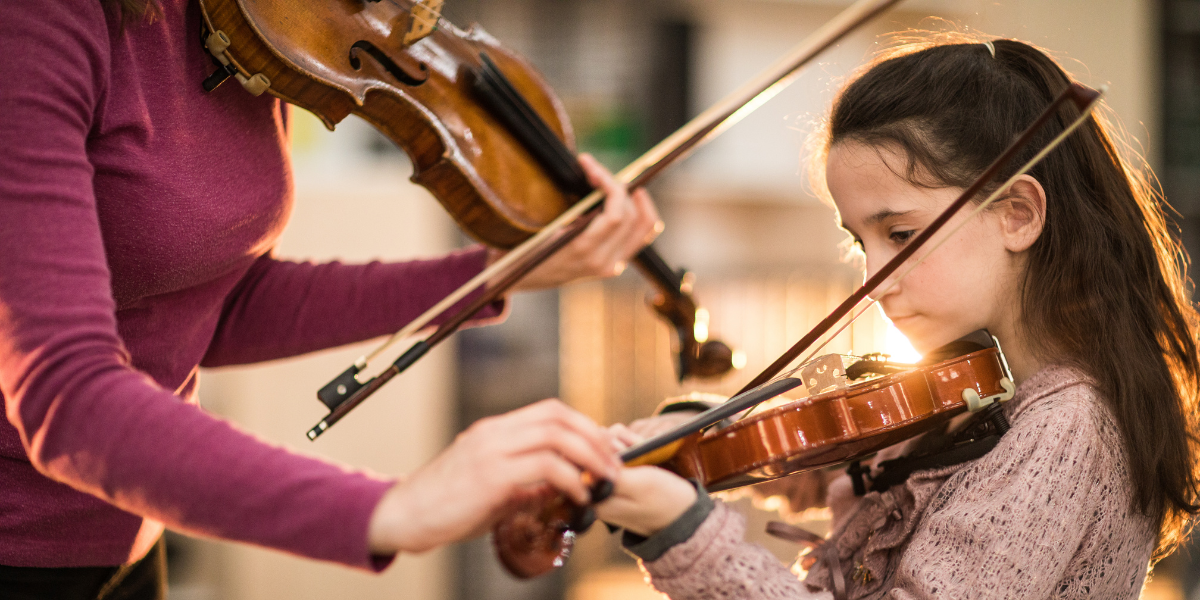
Across various violin classes in Toronto, scales are commonly used to strengthen technique and establish a solid musical foundation. Although students may initially focus on simple scale patterns, these exercises gradually become more advanced as their skills improve.
An experienced violin teacher in Toronto often listens carefully to how a student performs scales in order to identify technical challenges. Small adjustments to posture, bow control, or finger placement can significantly improve overall playing ability.
Scales are considered one of the most important technical exercises in violin education. Practicing scales repeatedly helps students build muscle memory in the left hand while improving bow control in the right arm.
During many violin lessons in Toronto, teachers use scales to help students focus on:
Because scales isolate these technical elements, they allow students to concentrate on sound quality without the added challenge of complex musical passages.
Teachers across Toronto often introduce scales using a variety of teaching approaches. These methods may vary depending on the student’s level, goals, and learning style.
1. Rhythmic Variation Practice
One approach to scale practice involves changing rhythmic patterns while playing scales. Instead of playing each note evenly, students may practice dotted rhythms or syncopated patterns.
This type of practice improves coordination and prepares students for the rhythmic complexity found in musical repertoire.
2. Structured Scale Systems
Some teachers introduce structured scale systems that organize scales across different keys. These systems often include major scales, minor scales, and arpeggios.
Students participating in violin lessons in Toronto may encounter these exercises as they progress through different levels of technical development.
3. Slow Practice for Intonation
Slow practice is another important part of scale training. By playing scales slowly, students can listen carefully to each note and correct intonation problems.
Practising slowly helps develop a stronger sense of pitch and allows students to focus on producing a consistent tone.
4. Bow Technique Within Scales
Scales are frequently used to develop bow control. Students may repeat the same scale using different bow strokes, such as legato or detached bowing.
These exercises help students develop better control over bow speed, pressure, and contact point.
5. Multi-Octave Scales
As students become more advanced, teachers often introduce longer scales that cover multiple octaves. These scales require shifting between fingerboard positions.
Multi-octave scales help students build flexibility and maintain consistent tone across the full range of the instrument.
In many violin lessons in Toronto, technical exercises occupy a portion of the lesson before students begin working on musical pieces. Lessons often start with warm-up activities such as open-string bowing or long tones.
After warming up, students usually practice scales that correspond to the key of the repertoire they are studying. For example, a student learning a piece in G major may practice a G major scale during the lesson.
This approach helps students understand the relationship between scales and the music they perform.
Students who take violin lessons at home can improve their progress by following a structured practice routine.
Some useful habits include:
Consistent practice helps reinforce the technical concepts introduced during lessons.
Many violin students in Canada follow the curriculum created by the Royal Conservatory of Music. The syllabus outlines scale requirements for each grade level and provides a structured progression for technical development.
Students preparing for graded examinations are usually required to perform specific major and minor scales in various octaves. This structured system helps ensure that students develop essential technical skills over time.
Most beginners benefit from practicing one or two scales daily. Students taking violin lessons in Toronto are generally encouraged to focus on slow and careful practice rather than attempting too many scales at once.
Children often begin learning simple scales once they develop basic bow control and tone production. In many violin classes in Toronto, this may happen within the first year of instruction.
The technical material is usually similar, but the teaching approach may vary. A knowledgeable violin teacher in Toronto can explain the theory behind scales in a way that helps adult learners understand their purpose.
Yes. Many learners make steady progress through violin lessons at home, especially when they follow a structured practice routine and receive regular feedback from their instructor.
Developing strong violin technique often requires consistent instruction and guidance. Students looking to begin or continue their musical education can explore various learning options available in the city.For those interested in guided instruction, Elite Music Academy offers violin lessons in Toronto for different age groups and experience levels. These lessons provide students with the opportunity to practice foundational skills and develop their musical abilities through structured instruction.

