
So you’ve finally decided to learn the guitar. Maybe it has been on your bucket list for years, or perhaps someone close to you inspired you to start playing. Whatever the reason, making the decision to begin is often the hardest step, and you’ve already taken it.
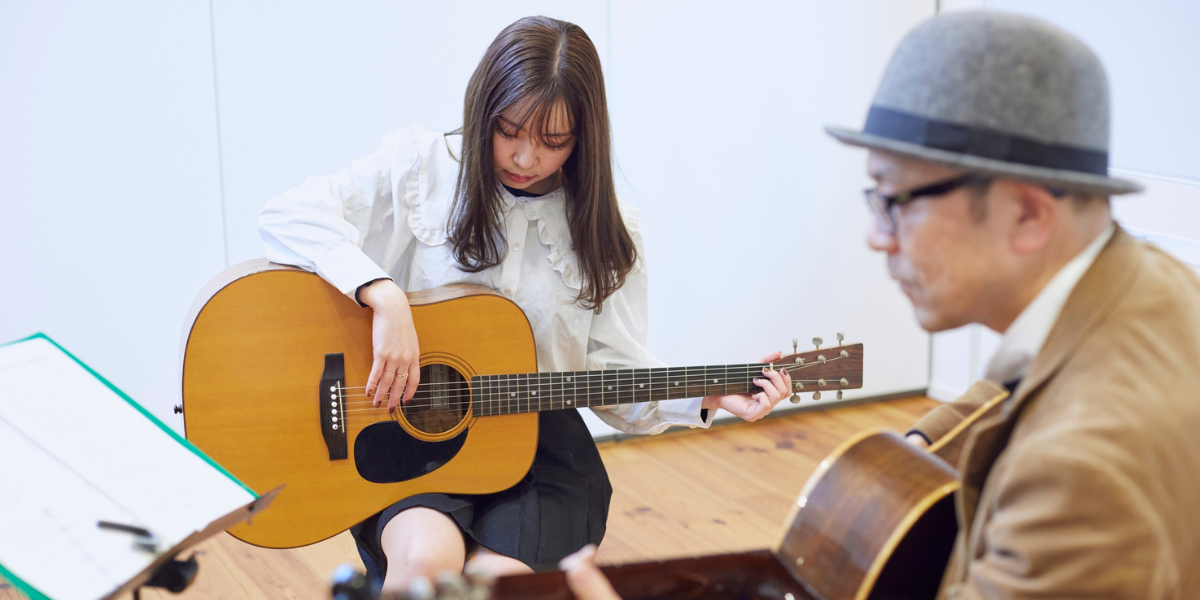
Toronto has a strong and diverse music community, with many teachers and schools offering guitar lessons in Toronto. While having many options is helpful, it can also make it difficult for beginners to know where to start.
Before booking your first lesson, it helps to understand a few important things about learning guitar, choosing the right teacher, and building practice habits that lead to real progress.
Here are seven things every beginner should know before starting guitar lessons.
One of the biggest myths about learning to play the guitar is that you need to start at a very young age. In reality, people successfully learn guitar at many different stages of life.
In recent years, guitar lessons for adults have become increasingly common. Adults often bring strong motivation and discipline to their practice, which can help them progress quickly.
Children also benefit greatly from learning music early. Most teachers recommend starting guitar lessons for kids around age six or seven, when children usually have enough coordination and focus to participate in structured lessons.
Ultimately, the best time to start learning guitar is whenever someone feels excited and motivated to begin.
Before choosing a teacher, it is useful to understand the different types of guitar lessons in Toronto that are available.
These lessons take place at a music school or a teacher’s private studio. Students learn in a structured environment and often have access to professional equipment.
Another option is guitar lessons at home, where the teacher travels to the student’s location. This format can be convenient for families and busy professionals who prefer learning in a comfortable environment.
Online lessons have also become a common option. They allow students to learn from instructors regardless of location and offer greater scheduling flexibility.
Each lesson format has its advantages, and the best option depends on your schedule and learning preferences.
When searching for guitar lessons in Toronto, many beginners focus mainly on a teacher’s performance ability. However, teaching requires different skills from performing.
A good instructor understands how beginners learn and can explain techniques clearly and patiently.
When evaluating a teacher, consider:
• Their teaching experience
• Whether they follow a structured lesson plan
• The musical styles they specialize in
• Reviews from past or current students
For parents enrolling children in guitar lessons for kids, it is especially important to choose a teacher who can keep younger students engaged and motivated.
Buying your first guitar can feel overwhelming because there are many options available.
Beginners sometimes spend too much money on a professional instrument too early, while others buy very cheap guitars that are difficult to play.
A good beginner acoustic guitar typically costs between $150 and $350 CAD, which provides a balance between quality and affordability.
Learning guitar requires consistency. Your fingers develop coordination and strength through regular practice.
Because of this, practicing for 10 to 15 minutes each day is usually more effective than practicing for several hours once or twice a week.
Students taking guitar lessons for adults often see steady improvement when they follow a simple daily routine.
Helpful practice habits include:
• Practicing at the same time each day
• Focusing on one technique at a time
• Practicing slowly and carefully
• Tracking your progress over time
Consistency is one of the most important factors in learning any musical instrument.
Many beginners want to immediately play complex songs they enjoy. While enthusiasm is great, building a strong foundation first will make learning much easier.
Most teachers start beginners with a few essential skills, such as:
• Basic chords
• Simple strumming patterns
• Finger coordination exercises
• Understanding rhythm and timing
Students who begin with these fundamentals usually find that learning songs becomes much easier later on.
Whether someone is taking guitar lessons for adults or guitar lessons for kids, focusing on these basics helps build confidence and steady progress.
Another common reason beginners stop learning guitar is a lack of clear goals.
Instead of simply deciding to “learn guitar,” it helps to set a specific objective.
Examples include:
• Learning to play a few favorite songs
• Playing music with friends
• Performing at a small event
• Using the guitar as a relaxing hobby
Having a clear goal helps both the student and teacher focus lessons in the right direction.
Many beginners can play simple songs within four to six weeks if they practice regularly and attend consistent guitar lessons in Toronto.
Acoustic guitars are often recommended for beginners because they help build finger strength and require less equipment. However, starting with an electric guitar can also work well if that style of music is more motivating.
Yes, many teachers offer guitar lessons at home, allowing students to learn in a familiar and comfortable environment without needing to travel.
Most teachers recommend starting guitar lessons for kids around age six or seven, when children typically have enough coordination and focus to benefit from structured lessons.
Yes. Many people begin guitar lessons for adults later in life and make strong progress because they stay motivated and practice consistently.
Not always. Some teachers allow beginners to try a lesson first before purchasing an instrument, although owning a guitar makes it easier to practice regularly between lessons.
Learning guitar can be a rewarding experience at any age. With the right guidance, consistent practice, and clear goals, beginners often find that they improve faster than they expected.
For those exploring music education opportunities in the city, there are many instructors and schools offering guitar lessons in Toronto. One example is Elite Music Academy, which provides programs designed to help both children and adults begin their guitar learning journey.

