
Starting bass lessons is an exciting step for any aspiring musician. Whether you dream of holding down the groove in a rock band, playing smooth jazz lines, or supporting a singer-songwriter, the bass guitar is the backbone of modern music. But beginners often face one big question before their first lesson: should I start with electric bass or acoustic bass?
If you’re looking for bass lessons in Toronto, understanding the differences between electric and acoustic bass can help you make the right choice based on your goals, lifestyle, and musical taste. Let’s break it down so you can start your bass journey with confidence.
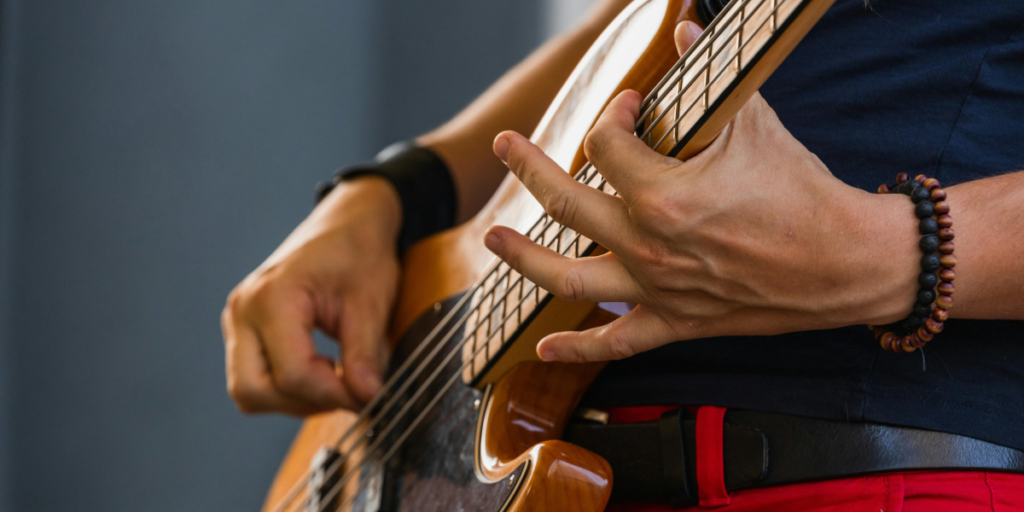
Before choosing an instrument, it’s important to understand what the bass does. The bass connects rhythm and harmony, locking in with the drums while supporting the melody. With guidance from an experienced bass music teacher, beginner bass lessons help students learn timing, finger strength, note placement, and groove skills that apply to both electric and acoustic bass.
However, the learning experience can feel very different depending on which instrument you choose.
The electric bass is the most common choice for beginners today. It has a solid body, thinner strings than an upright bass, and requires an amplifier to produce sound at performance volume.
Beginner-friendly playability
Electric bass strings are generally easier on the fingers, making it less intimidating for new students during early bass lessons.
Versatility across music styles
Rock, pop, funk, metal, jazz, blues electric bass fits into nearly every genre taught in modern bass lessons.
Easy to practice quietly
With headphones and a small amp, beginners can practice without disturbing others.
Affordable entry options
There are many budget-friendly electric basses and starter packs available for beginners.
An acoustic bass guitar has a hollow body and produces sound naturally without amplification, though it can be plugged in if needed. It visually resembles an acoustic guitar but is larger and deeper in tone.
Natural tone development
Acoustic bass encourages beginners to focus on finger strength, tone control, and dynamics.
Portable and simple setup
No amp required for casual practice, making it easy to play anywhere.
Great for unplugged settings
Ideal for folk, acoustic pop, and singer-songwriter styles.
There is no one-size-fits-all answer, but here’s how most beginner bass lessons approach the decision.
For most beginners taking bass lessons in Toronto, electric bass is usually recommended as the first instrument due to its versatility, comfort, and accessibility. However, students with specific musical goals may benefit from starting on acoustic bass instead.
Absolutely. One of the best parts of bass lessons is that the core skills finger positioning, rhythm, scales, and music theory transfer easily between electric and acoustic bass. Many students start on electric bass and later add acoustic bass to expand their musical range.
A good bass instructor will tailor lessons to your goals and help you transition smoothly if you decide to switch instruments.
When starting bass lessons, don’t worry about buying the most expensive instrument. Focus on:
Your instructor can guide you on setup and help you avoid common beginner mistakes that slow progress.
Taking structured bass lessons helps beginners build strong habits from day one. With expert instruction, students learn correct posture, timing, and technique while avoiding frustration and injury. At Elite Music Academy, bass lessons are designed to support beginners whether they choose electric or acoustic bass, with personalized instruction that matches each student’s goals and learning pace.
Bass lessons are not harder, but they focus on different skills. Bass requires strong rhythm, timing, and finger control, while guitar often emphasizes chords and melody.
Most beginners notice improvement within the first 4–6 weeks of consistent bass lessons and regular practice.
No prior music theory is required. Beginner bass lessons introduce theory gradually as you learn songs and techniques.
Not at all. Electric bass can be practiced quietly using headphones or a low-volume amp, making it ideal for apartments.
Yes, bass lessons are suitable for kids, teens, and adults. Smaller-scale basses are available for younger students.
Choosing between electric and acoustic bass is an important first step, but it shouldn’t hold you back from starting. Both instruments offer valuable learning experiences, and the best choice is the one that keeps you motivated and practicing consistently.
With the right bass lessons, beginners in Toronto can build a strong foundation, develop confidence, and enjoy the journey of becoming a bassist no matter which instrument they start with.

