Learning to play the piano is one of the most rewarding musical journeys a student can take. Whether you’re starting from scratch or looking to pursue recognized certification, choosing between beginner piano lessons in Toronto and RCM (Royal Conservatory of Music) exam prep can influence how fast you progress, how you stay motivated, and what goals you ultimately achieve. Both paths offer tremendous value but they serve very different needs.
In Toronto, where music education is vibrant, diverse, and accessible, understanding the difference between these two approaches can help students and parents make smarter decisions about their musical future. This guide breaks down how beginner lessons differ from RCM-focused training, who each path is best for, and how to choose the one that aligns with your goals.
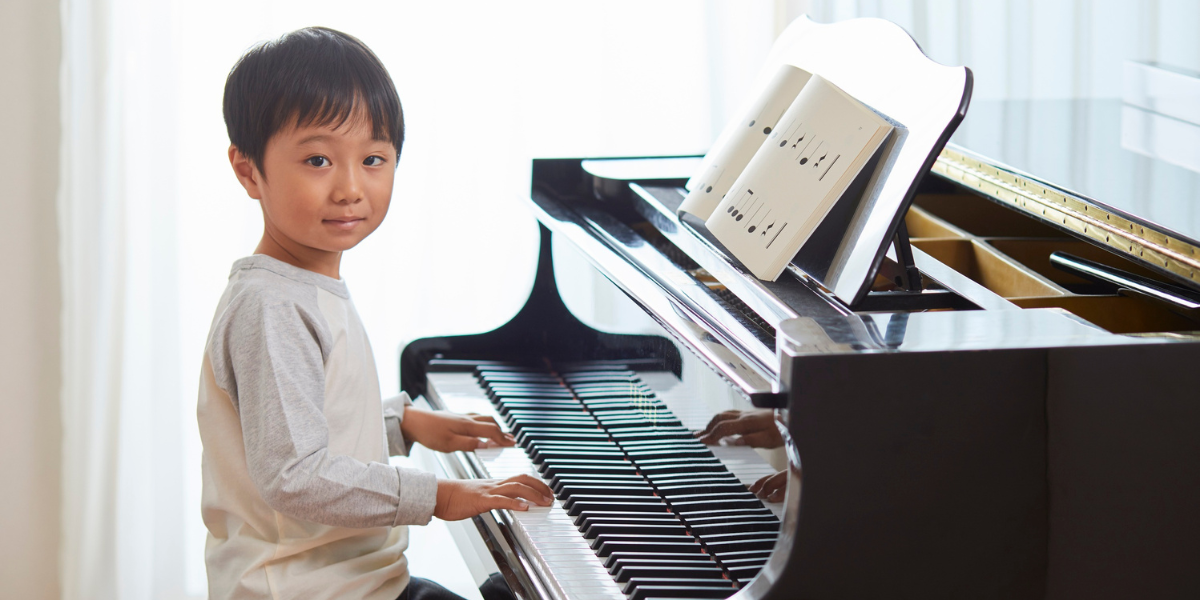
Beginner piano lessons in Toronto are designed for students who are new to the instrument or still developing foundational skills. These lessons focus on building confidence, improving technique, and making music enjoyable from day one.
Beginner lessons focus on cultivating a love for music while giving students the tools they need to play with confidence.
RCM exam prep is a structured and goal-oriented approach designed for students who want official certification from the Royal Conservatory of Music. These exams are recognized nationwide and are often required for advanced music programs, competitions, and scholarships.
RCM prep is more rigorous than beginner lessons, but it also builds discipline, goal-setting, and strong technical ability.
Beginner lessons allow personalization, while RCM follows predetermined goals based on grade levels.
Students preparing for RCM exams must practice consistently to meet technical requirements.
RCM students often spend weeks perfecting assigned pieces.
RCM exams can be demanding but incredibly rewarding.
Your choice depends on whether you want a casual learning experience or a formal, recognized musical education.
Many students begin with regular piano lessons in Toronto and transition into RCM prep once they’ve mastered the basics. A qualified teacher can guide you toward the path that best suits your goals.
Toronto’s music education scene offers access to professional instructors who understand both casual learning and exam-focused training. Whether you’re choosing beginner piano lessons or RCM exam prep, a school like Elite Music Academy can help you build strong skills, confidence, and a lasting love of music.
With experienced instructors and student-centered learning, you’re able to explore your musical potential at your own pace whether that’s casually or with the ambition of earning RCM certification.
Yes. Most students benefit from mastering the basics first. Beginner lessons help build technique, confidence, and musical understanding before advancing to structured RCM work.
Preparation varies, but most students need 6–12 months per grade depending on practice consistency, musical background, and exam difficulty.
Not at all. Many pianists become excellent players without ever taking exams. RCM is optional and best suited for students who enjoy structure or want certification.
Yes. Adults are fully eligible and often perform very well. RCM exams have no age limit.
Look for an instructor trained in the RCM system who understands the grading requirements, repertoire, and exam expectations. This ensures you receive the right technical and musical guidance.
March break camp: Click here.
July 8-12
Sax violin spot (2 spots left out of 2): Click here.
Drum spot (1 spot left out of 3): Click here.
Guitar spot (4 spots left out of 8): Click here.
Bass guitar spot (2 spots left out of 3): Click here.
Piano/Keys spot (2 spots left out of 4): Click here.
Singer spot (4 spots left out of 4): Click here.
July 15-19
Sax violin spot (2 spots left out of 2): Click here.
Drum spot (1 spot left out of 3): Click here.
Guitar spot (3 spots left out of 8): Click here.
Bass guitar spot (3 spots out of 3 spots): Click here.
Piano/Keys spot (1 spot left out of 4): Click here.
Singer spot (2 spots left out of 4): Click here.
July 22-26
Sax violin spot (1 spot left out of 2): Click here.
Drum spot (3 spots left out of 3): Click here.
Guitar spot (6 spots left out of 8): Click here.
Bass guitar spot (2 spots left out of 3): Click here.
Piano/Keys spot (3 spots left out of 4): Click here.
Singer spot (3 spots left out of 4): Click here.
Aug 12-16
Sax violin spot (2 spots left out of 2): Click here.
Drum spot (0 spots left out of 3): Click here.
Guitar spot (8 spots left out of 8): Click here.
Bass guitar spot (3 spots left out of 3): Click here.
Piano/Keys spot (2 spots left out of 4): Click here.
Singer spot (3 spots left out of 4): Click here.
March break camp: Click here.
July 8-12
Sax violin spot: Click here.
Drum spot: Click here.
Guitar spot: Click here.
Bass guitar spot: Click here.
Piano/Keys spot: Click here.
Singer spot: Click here.
July 15-19
Sax violin spot: Click here.
Drum spot: Click here.
Guitar spot: Click here.
Bass guitar spot: Click here.
Piano/Keys spot: Click here.
Singer spot: Click here.
July 22-26
Sax violin spot: Click here.
Drum spot: Click here.
Guitar spot: Click here.
Bass guitar spot: Click here.
Piano/Keys spot: Click here.
Singer spot: Click here.
Aug 12-16
Sax violin spot: Click here.
Drum spot: Click here.
Guitar spot: Click here.
Bass guitar spot: Click here.
Piano/Keys spot: Click here.
Singer spot: Click here.