Beginner’s Guide: How to Play Tenor Saxophone Lessons In East York

Learning the tenor saxophone is an exciting journey. Its rich, warm tone makes it one of the most expressive instruments in jazz, blues, pop, and even classical music. If you are searching for Tenor Saxophone Lessons In East York, Toronto, this beginner-friendly guide will help you understand how to get started, what to expect in lessons, and how to progress faster with the right practice approach.

Whether you’re a complete beginner or switching from another instrument, the tenor saxophone is accessible and rewarding when you learn step by step.
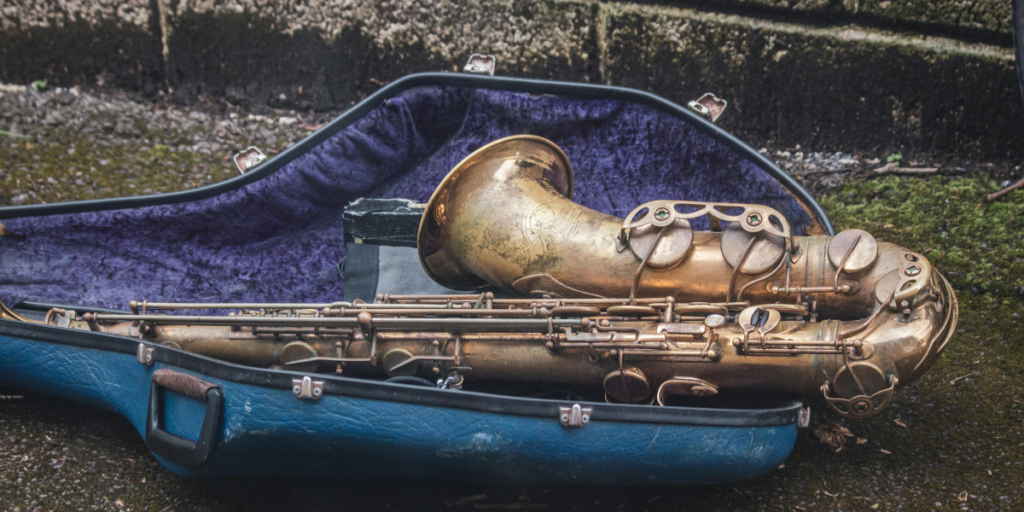
Tenor Saxophone Lessons

Why Choose the Tenor Saxophone?

The tenor saxophone is popular because of its deep and smooth sound. Compared to the alto saxophone, it has a slightly larger size and produces a fuller tone. Many beginners choose tenor because:

  • It has a strong, expressive sound
  • It is widely used in jazz and contemporary music
  • It works well in both solo and group settings
  • It is beginner-friendly with proper guidance

With structured Tenor Saxophone Lessons In East York, Toronto, students can build strong fundamentals from day one and avoid common beginner mistakes.

Understanding the Parts of a Tenor Saxophone

Before you play your first note, you should know the basic parts of the instrument:

  • Mouthpiece – where you blow air into the instrument
  • Reed – a thin strip that vibrates to create sound
  • Ligature – holds the reed in place
  • Neck – connects the mouthpiece to the body
  • Body – contains the keys and tone holes
  • Bell – the flared end where sound projects

In most beginner lessons, your instructor will show you how to assemble and handle each part safely.

How to Assemble the Tenor Saxophone Correctly

Assembly is usually covered in your first few Tenor Saxophone Lessons In East York, Toronto. The basic steps include:

  1. Place the reed on the mouthpiece and secure it with the ligature
  2. Attach the mouthpiece to the neck gently
  3. Connect the neck to the saxophone body
  4. Adjust your neck strap so the mouthpiece reaches your mouth comfortably
  5. Check that all screws are snug but not over-tightened

Proper setup affects your tone and comfort, so learning this early matters.

Proper Posture and Hand Position

Good posture helps you play longer and produce a better sound. Beginners are taught to:

  • Sit or stand upright
  • Relax the shoulders
  • Keep the neck strap supporting the weight
  • Curve fingers naturally over the keys
  • Avoid gripping too tightly

In quality Tenor Saxophone Lessons In East York, Toronto, teachers correct posture early so students don’t build bad habits.

How to Produce Your First Sound

Making your first sound is a big milestone. Your instructor will guide you through:

Embouchure (mouth position):

  • Bottom lip gently over the teeth
  • Top teeth resting on the mouthpiece
  • Corners of the mouth sealed

Breathing:

  • Take a deep breath from the diaphragm
  • Blow steady, warm air  not too hard
  • Keep your cheeks relaxed (not puffed)

Expect a few squeaks at first  that’s completely normal for beginners.

Learning the Basic Notes

Most beginners start with simple notes like:

  • B
  • A
  • G

These use fewer keys and help you focus on tone and airflow. As you improve, you’ll expand your note range and learn scales and simple songs.

Structured Tenor Saxophone Lessons In East York, Toronto usually follow a progressive method:

  • Single notes
  • Simple exercises
  • Beginner scales
  • Easy melodies
  • Rhythm practice

Reading Music for Saxophone

You don’t need advanced music knowledge to begin. Lessons typically introduce:

  • Staff and clefs
  • Note names
  • Basic rhythms
  • Time signatures
  • Simple sheet music

Many students learn to read music alongside playing, which improves timing and accuracy.

Practice Tips for Faster Progress

Consistent practice matters more than long practice. Beginners should aim for:

  • 15–25 minutes daily
  • Slow and focused repetition
  • Tone exercises first
  • Then scales and songs
  • End with something fun

Helpful beginner practice tips include:

  • Use a tuner app
  • Practice with a metronome
  • Record your sound weekly
  • Warm up before songs
  • Clean your instrument after playing

Your progress in Tenor Saxophone Lessons In East York, Toronto will grow faster when practice is regular and structured.

Common Beginner Mistakes to Avoid

Most new players face similar challenges. Watch out for:

  • Blowing too hard
  • Biting the mouthpiece
  • Poor posture
  • Skipping warmups
  • Practicing too fast
  • Not cleaning the reed

A good instructor helps correct these early so your tone develops properly.

Choosing the Right Learning Environment

Learning with a qualified teacher helps you:

  • Build correct embouchure
  • Improve tone faster
  • Stay motivated
  • Learn music reading properly
  • Avoid technical mistakes

If you’re located in East York, Toronto,  in-person guidance can make a big difference for beginners. Personalized instruction, structured lesson plans, and performance opportunities all support steady progress. Elite Music Academy offers guided programs for saxophone learners at different skill levels.

What to Expect in Your First Few Lessons

Your first lessons usually include:

  • Instrument setup
  • Breathing exercises
  • Embouchure training
  • First notes
  • Simple rhythms
  • Easy songs

Teachers also help set practice routines and realistic goals so you stay encouraged rather than overwhelmed.

How Long Does It Take to Sound Good?

Most beginners can play simple tunes within a few weeks. With consistent practice and proper Tenor Saxophone Lessons In East York, Toronto, noticeable improvement often happens within 2–3 months.

Tone quality, control, and musical expression continue improving over time  that’s part of the joy of learning.

FAQs — Tenor Saxophone Lessons In East York, Toronto

1. Is the tenor saxophone good for complete beginners?
Yes. With proper instruction, the tenor saxophone is beginner-friendly and easier to control than many people expect.

2. What age is best to start tenor saxophone lessons?
Many students start around age 10+, but teens and adults can begin at any time successfully.

3. Do I need my own saxophone before starting lessons?
It helps, but some schools offer rental options. Beginners can start with a rental and upgrade later.

4. How often should I practice as a beginner?
Aim for at least 15–25 minutes daily. Short, consistent practice works better than long, occasional sessions.

5. How long are beginner saxophone lessons?
Most beginner lessons are 30 to 60 minutes depending on age and level.

6. How soon can I play songs on tenor saxophone?
Many students play simple songs within the first few weeks when following structured lessons and regular practice.

Large Blob Small

How Can We help You Today?

Large Blob Small

"At Your Home" Lessons Request

Large Blob Small

Start a trial with

Beginner’s Guide: How to Play Tenor Saxophone Lessons In East York

March Break Camp Links

March break camp: Click here.

Summer Camp Links

July 8-12

Sax violin spot (2 spots left out of 2): Click here
Drum spot (1 spot left out of 3): Click here.
Guitar spot (4 spots left out of 8): Click here.
Bass guitar spot (2 spots left out of 3): Click here.
Piano/Keys spot (2 spots left out of 4): Click here.
Singer spot (4 spots left out of 4): Click here.

July 15-19

Sax violin spot (2 spots left out of 2): Click here
Drum spot (1 spot left out of 3): Click here.
Guitar spot (3 spots left out of 8): Click here.
Bass guitar spot (3 spots out of 3 spots): Click here.
Piano/Keys spot (1 spot left out of 4): Click here.
Singer spot (2 spots left out of 4): Click here.

July 22-26

Sax violin spot (1 spot left out of 2): Click here
Drum spot (3 spots left out of 3): Click here.
Guitar spot (6 spots left out of 8): Click here.
Bass guitar spot (2 spots left out of 3): Click here.
Piano/Keys spot (3 spots left out of 4): Click here.
Singer spot (3 spots left out of 4): Click here.

Aug 12-16

Sax violin spot (2 spots left out of 2): Click here
Drum spot (0 spots left out of 3): Click here.
Guitar spot (8 spots left out of 8): Click here.
Bass guitar spot (3 spots left out of 3): Click here.
Piano/Keys spot (2 spots left out of 4): Click here.
Singer spot (3 spots left out of 4): Click here.

March Break Camp Links

March break camp: Click here.

Summer Camp Links

July 8-12

Sax violin spot: Click here
Drum spot: Click here.
Guitar spot: Click here.
Bass guitar spot: Click here.
Piano/Keys spot: Click here.
Singer spot: Click here.


July 15-19

Sax violin spot: Click here
Drum spot: Click here.
Guitar spot: Click here.
Bass guitar spot: Click here.
Piano/Keys spot: Click here.
Singer spot: Click here.

July 22-26

Sax violin spot: Click here
Drum spot: Click here.
Guitar spot: Click here.
Bass guitar spot: Click here.
Piano/Keys spot: Click here.
Singer spot: Click here.

Aug 12-16

Sax violin spot: Click here
Drum spot: Click here.
Guitar spot: Click here.
Bass guitar spot: Click here.
Piano/Keys spot: Click here.
Singer spot: Click here.

Large Blob Small

Camp Registration