Drum Lessons In Toronto : What Beginners Should Master in Their First 30 Days

Starting drum lessons is an exciting step for any beginner. Whether you’ve always loved rhythm or you’re simply looking for a fun and expressive hobby, learning drums can be both rewarding and challenging. For students beginning drum lessons in Toronto, the first 30 days are especially important they set the foundation for everything that follows.

Instead of trying to learn everything at once, beginners should focus on mastering a few essential skills early on. These fundamentals build confidence, improve coordination, and make learning future techniques much easier. In this guide, we’ll break down exactly what beginners should aim to master during their first month of drum lessons.
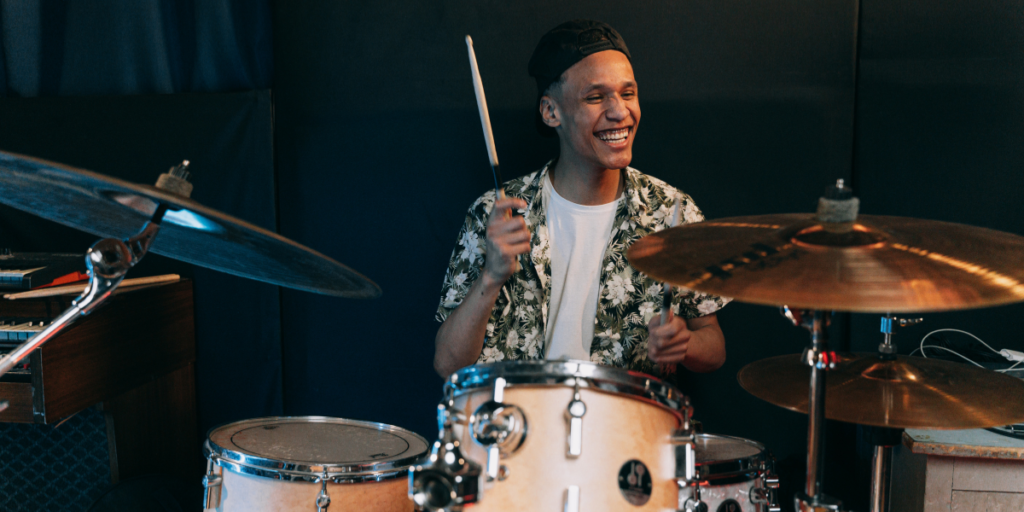
Why the First 30 Days of Drum Lessons Matter

The first month of drum lessons is all about forming good habits. A skilled drum teacher helps beginners resist the temptation to jump straight into flashy fills or fast songs, focusing instead on proper technique and fundamentals. Skipping the basics often leads to frustration later.

During the first 30 days, beginners should focus on:

  • Developing proper technique
  • Building timing and coordination
  • Understanding basic rhythms
  • Creating a consistent practice routine

Mastering these areas early helps students progress faster and avoid common mistakes that can slow improvement.

Week 1: Proper Drum Setup and Stick Control

Before playing a single beat, beginners must learn how to properly set up their drum kit. Poor setup can lead to discomfort, bad posture, and even injury.

Key Skills to Focus On:

  • Correct posture: Sitting at the right height with a relaxed back
  • Drum placement: Snare, hi-hat, and pedals positioned for easy reach
  • Stick grip: Learning matched grip and holding sticks loosely but securely

Stick control is especially important in drum lessons. Beginners should practice simple single strokes, focusing on even volume and relaxed wrists. This helps build endurance and precision from day one.

Week 2: Learning Basic Drum Beats and Timing

Once setup and grip are comfortable, beginners can move into basic beats. This is where drum lessons really start to feel fun.

Essential Concepts to Master:

  • Basic rock beat: Kick on beats 1 and 3, snare on 2 and 4
  • Hi-hat control: Playing steady eighth notes
  • Counting out loud: Understanding how to count 1-and-2-and-3-and-4-and

Timing is one of the most important skills in drum lessons. Beginners should practice with a metronome to develop a strong internal sense of rhythm. Even slow practice makes a huge difference in accuracy and consistency.

Week 3: Coordination and Independence

Drumming is unique because each limb often does something different. In week three, beginners should focus on coordination exercises that improve independence between hands and feet.

What to Practice:

  • Playing different rhythms with hands and feet
  • Simple bass drum variations
  • Keeping the hi-hat steady while changing snare patterns

This stage may feel challenging, but it’s completely normal. Regular practice during drum lessons helps the brain and body adapt quickly. Small, daily sessions are more effective than long, infrequent ones.

Week 4: Basic Fills and Musical Awareness

By the fourth week, beginners are ready to add simple drum fills and start playing more musically.

Skills to Work On:

  • Basic fills: Simple patterns around the snare and toms
  • Smooth transitions: Moving from beat to fill and back
  • Listening skills: Playing along with simple songs

This is also a great time to learn how drums fit into a band setting. Drum lessons often emphasize listening to other instruments and maintaining steady time, which is essential for any drummer.

The Importance of Consistent Practice

No matter how good your drum lessons are, progress depends on regular practice. Beginners should aim for:

  • 15–30 minutes per day
  • Focused practice instead of casual playing
  • Reviewing previous lessons before learning new material

Consistency helps reinforce muscle memory and makes learning feel natural rather than overwhelming.

Learning with Professional Drum Lessons in Toronto

Taking structured drum lessons gives beginners clear direction and accountability. A professional instructor can correct technique early, tailor lessons to individual goals, and keep students motivated.

At Elite Music Academy , drum lessons are designed to help beginners build strong fundamentals while keeping learning enjoyable and engaging. With the right guidance, students can make impressive progress in just their first 30 days.

Common Mistakes Beginners Should Avoid

During the first month of drum lessons, beginners should watch out for these common pitfalls:

  • Playing too fast without control
  • Skipping warm-ups
  • Ignoring timing and rhythm
  • Practicing inconsistently

Avoiding these mistakes early leads to faster improvement and a more enjoyable learning experience.

What Beginners Can Expect After 30 Days

By the end of the first month of drum lessons, most beginners can:

  • Play basic beats with confidence
  • Keep time using a metronome
  • Perform simple fills
  • Understand basic rhythm notation

These skills create a strong foundation for more advanced drumming techniques in the months ahead.

FAQs About Drum Lessons for Beginners

1. How often should beginners take drum lessons?

Most beginners benefit from one drum lesson per week combined with regular home practice.

2. Do I need my own drum kit to start drum lessons?

While having a kit helps, beginners can start drum lessons using a practice pad and sticks before investing in a full kit.

3. Are drum lessons suitable for all ages?

Yes, drum lessons are great for children, teens, and adults. Instructors adjust lessons based on age and learning style.

4. How long does it take to see progress with drum lessons?

With consistent practice, most beginners notice improvement within the first few weeks of drum lessons.

5. Is learning drums difficult for beginners?

Drumming can feel challenging at first, but structured drum lessons make learning manageable and enjoyable.

Large Blob Small

How Can We help You Today?

Large Blob Small

"At Your Home" Lessons Request

Large Blob Small

Start a trial with

Drum Lessons in Toronto: What Beginners Should Master in Their First 30 Days

March Break Camp Links

March break camp: Click here.

Summer Camp Links

July 8-12

Sax violin spot (2 spots left out of 2): Click here
Drum spot (1 spot left out of 3): Click here.
Guitar spot (4 spots left out of 8): Click here.
Bass guitar spot (2 spots left out of 3): Click here.
Piano/Keys spot (2 spots left out of 4): Click here.
Singer spot (4 spots left out of 4): Click here.

July 15-19

Sax violin spot (2 spots left out of 2): Click here
Drum spot (1 spot left out of 3): Click here.
Guitar spot (3 spots left out of 8): Click here.
Bass guitar spot (3 spots out of 3 spots): Click here.
Piano/Keys spot (1 spot left out of 4): Click here.
Singer spot (2 spots left out of 4): Click here.

July 22-26

Sax violin spot (1 spot left out of 2): Click here
Drum spot (3 spots left out of 3): Click here.
Guitar spot (6 spots left out of 8): Click here.
Bass guitar spot (2 spots left out of 3): Click here.
Piano/Keys spot (3 spots left out of 4): Click here.
Singer spot (3 spots left out of 4): Click here.

Aug 12-16

Sax violin spot (2 spots left out of 2): Click here
Drum spot (0 spots left out of 3): Click here.
Guitar spot (8 spots left out of 8): Click here.
Bass guitar spot (3 spots left out of 3): Click here.
Piano/Keys spot (2 spots left out of 4): Click here.
Singer spot (3 spots left out of 4): Click here.

March Break Camp Links

March break camp: Click here.

Summer Camp Links

July 8-12

Sax violin spot: Click here
Drum spot: Click here.
Guitar spot: Click here.
Bass guitar spot: Click here.
Piano/Keys spot: Click here.
Singer spot: Click here.


July 15-19

Sax violin spot: Click here
Drum spot: Click here.
Guitar spot: Click here.
Bass guitar spot: Click here.
Piano/Keys spot: Click here.
Singer spot: Click here.

July 22-26

Sax violin spot: Click here
Drum spot: Click here.
Guitar spot: Click here.
Bass guitar spot: Click here.
Piano/Keys spot: Click here.
Singer spot: Click here.

Aug 12-16

Sax violin spot: Click here
Drum spot: Click here.
Guitar spot: Click here.
Bass guitar spot: Click here.
Piano/Keys spot: Click here.
Singer spot: Click here.

Large Blob Small

Camp Registration