
Learning guitar is one of the most rewarding musical journeys you can take. Whether your goal is to strum your favorite songs, play in a band, or simply enjoy music as a creative outlet, choosing the right learning environment is key. With so many options available, many students and parents find themselves deciding between private guitar lessons at home and traditional music schools.
If you’re exploring Guitar Lessons in Toronto, understanding the differences between these two approaches can help you make a confident and informed choice that fits your lifestyle, goals, and learning style.
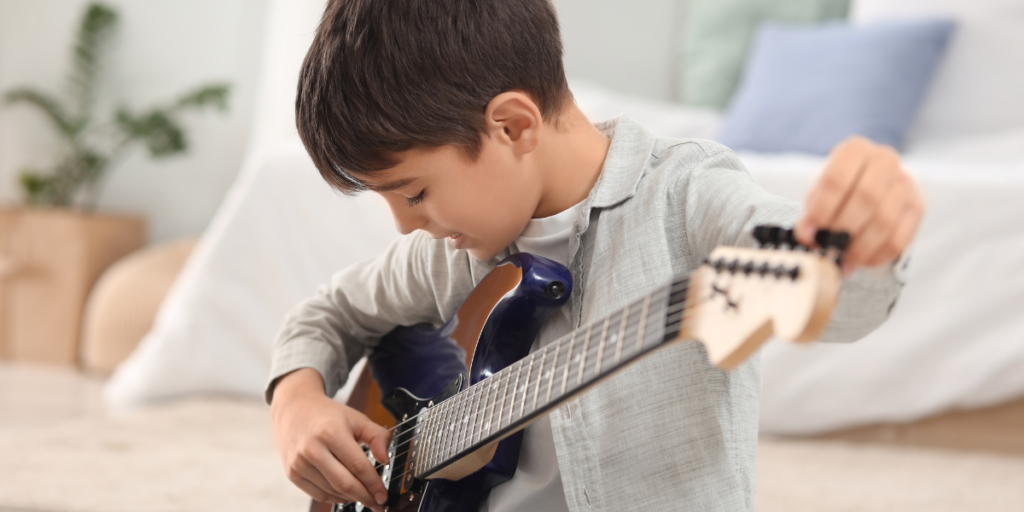
Toronto’s vibrant music scene has inspired people of all ages to pick up the guitar. From young beginners to busy professionals and retirees, interest in learning guitar continues to grow. As a result, guitar classes in Toronto now come in many formats, offering flexibility and personalization like never before.
The two most popular options are:
Each has its own benefits, and the best choice depends on what matters most to you.
Music schools have long been a traditional choice for guitar instruction. These institutions typically offer structured programs with standardized curricula.
Structured Learning Environment
Music schools often follow a formal syllabus, which can be helpful for students who enjoy clear progression and benchmarks.
Group Learning Opportunities
Some schools offer group guitar classes, allowing students to learn alongside peers. This can be motivating for certain learners, especially children and teens.
Multiple Instruments Under One Roof
Music schools may provide access to other instruments, ensembles, or performance opportunities.
Fixed Schedules
Music schools usually operate on set timetables. For busy families or working adults, commuting and rigid lesson times can be challenging.
Less Personalization
In group settings or standardized programs, lessons may move at a fixed pace that doesn’t always match the student’s individual needs.
Travel Time
Factoring in Toronto traffic, travel time can turn a 30-minute lesson into a much longer commitment.
In recent years, guitar lessons at home have become increasingly popular across Toronto. This approach brings professional instruction directly to the student’s space, offering unmatched convenience and flexibility.
Maximum Convenience
With no travel required, students save time and energy. Lessons fit more easily into daily routines, making consistency easier to maintain.
One-on-One Instruction
Private lessons allow the instructor to focus entirely on the student. This personalized attention often leads to faster progress and better technique.
Customized Learning Plans
Private instructors can tailor lessons based on:
Comfortable Learning Environment
Learning at home helps students feel relaxed and confident, especially beginners who may feel intimidated in a classroom setting.
When it comes to results, the quality of instruction matters more than the location. However, many students find that private guitar lessons at home lead to stronger engagement and more consistent practice.
Students learning at home are already in their practice space. This encourages better practice habits and reduces excuses to skip sessions.
One-on-one lessons eliminate distractions and allow instructors to address mistakes immediately, improving efficiency during each session.
As schedules change, private home lessons can often be adjusted more easily than fixed music school programs.
There’s no one-size-fits-all answer. Here’s a quick breakdown to help guide your decision.
Many families and adults in Toronto are now choosing home-based instruction for these reasons.
Regardless of the format, the instructor’s experience and teaching approach play a critical role. Skilled teachers adapt to different learning styles, motivate students, and make lessons enjoyable.
At Elite Music Academy , professional instructors provide high-quality guitar instruction directly in students’ homes, combining expert teaching with flexibility and convenience making learning guitar both effective and enjoyable.
Today’s learners want music education that fits their lifestyle, not the other way around. With demanding work schedules, school commitments, and family responsibilities, convenience often determines long-term success.
That’s why many students seeking Guitar Lessons in Toronto are moving toward personalized, in-home instruction that respects their time while delivering real results.
Both music schools and private home lessons can help you learn guitar successfully. The best option depends on your schedule, learning preferences, and personal goals.
If you value structure and group interaction, a music school may be a good fit. If you prioritize flexibility, comfort, and individualized attention, private guitar lessons at home offer a modern solution that aligns with today’s busy lifestyles.
No matter which path you choose, committing to regular practice and finding an instructor who inspires you will make all the difference.
Yes. Home lessons are excellent for beginners, as instructors can move at a comfortable pace and focus on building strong fundamentals.
Most students notice improvement within a few weeks, especially with consistent practice and personalized instruction.
Costs vary, but home lessons often provide greater value due to one-on-one attention and saved travel time.
Children, teens, and adults can all start guitar lessons. Instructors adapt lessons to suit the student’s age and ability.
Weekly lessons are most common, but schedules can be adjusted based on availability and goals.

