
For many adults, the idea of learning to sing feels like something that should have happened years ago. However, today there are more opportunities than ever to begin vocal training. Many people discover that singing lessons in Toronto provide supportive environments where adults can develop their voice at their own pace.
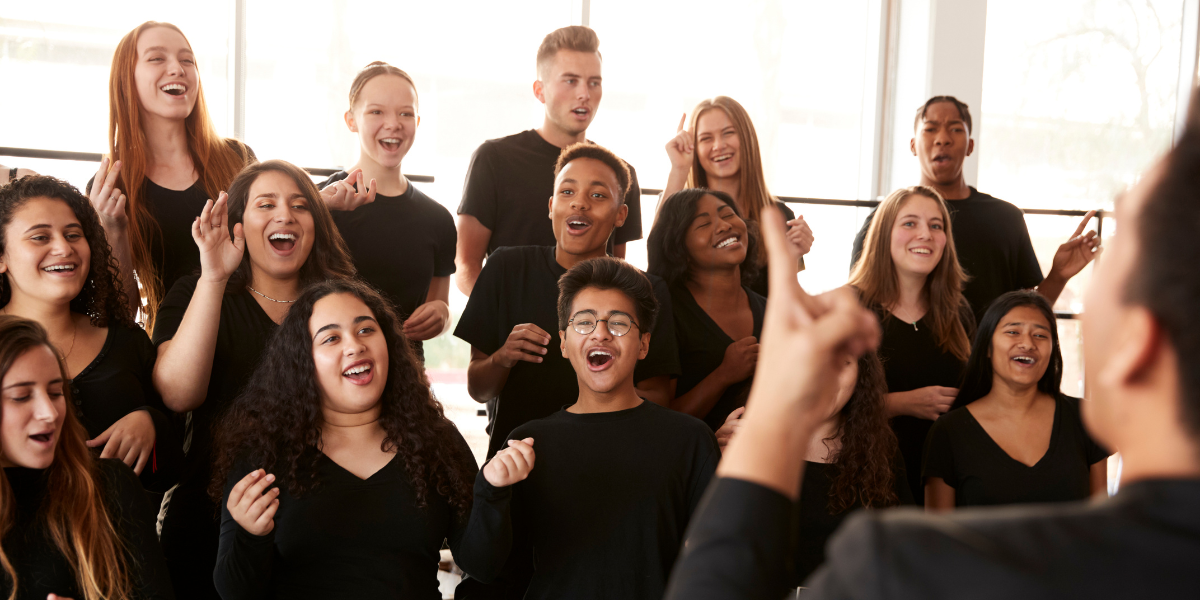
Across the city, a wide range of singing classes in Toronto focus on different musical styles and learning approaches. Whether someone wants to perform on stage, improve confidence, or simply enjoy music as a hobby, structured vocal training can provide valuable guidance.
Adult learners also benefit from working with experienced singing teachers in Toronto who understand how to guide voices that have developed natural habits over time.
Many adults hesitate to begin singing lessons because they believe it is too late to start. In reality, adult learners often make strong progress because they bring motivation, musical taste, and life experience into the learning process.
When adults begin singing lessons in Toronto, instructors often focus on improving breath control, vocal placement, and confidence. Adults also tend to enjoy the creative side of singing, which helps maintain consistent motivation during lessons.
One important aspect of vocal training is understanding that each musical style uses different techniques. Many singing classes in Toronto offer multiple styles so students can explore the music they enjoy the most.
Pop singing is one of the most popular styles among adult learners. Training often focuses on developing a balanced mix between chest voice and head voice. Students practice breath support, pitch accuracy, and vocal flexibility.
Jazz singing focuses on rhythm, phrasing, and improvisation. Students learn how to interpret songs in their own style while developing musical expression. Many singing teachers in Toronto encourage jazz students to experiment creatively with vocal phrasing.
Classical singing builds strong vocal technique through posture, breath management, and resonance. Even students who are not interested in opera may benefit from classical training because it strengthens overall vocal control.
Musical theatre combines singing with acting and storytelling. Students learn how to project emotion while maintaining clear vocal delivery. Because Toronto has a strong theatre community, this style is popular among adult learners.
These styles emphasize vocal expression, dynamic control, and vocal runs. Students often work on phrasing and emotional delivery while developing greater flexibility in their voice.
During the first few lessons, teachers usually assess a student’s vocal range, breathing habits, and tone quality. Warm-up exercises and simple vocal scales are often introduced to establish healthy vocal habits.
Many adults notice improvements within the first few weeks of singing lessons in Toronto, particularly in tone consistency and breath support.
Adult learners in Toronto can choose from several learning formats depending on their schedules and comfort levels.
Some students prefer traditional studio lessons, while others choose singing lessons at home because they provide greater flexibility. Learning in a familiar environment can make practice more comfortable and convenient.
Another option is private singing lessons at home, where instruction is tailored entirely to the student’s personal goals and pace.
Consistent practice helps reinforce the techniques learned during lessons. Vocal coaches often recommend a few simple habits that can improve progress.
• Warm up the voice before every practice session.
• Record practice sessions to track improvement.
• Focus on one technical element at a time.
• Listen carefully to singers in your preferred style.
• Stay hydrated to support vocal health.
Many adults worry that they have missed their opportunity to learn singing. In reality, the voice continues to develop throughout adulthood, and many singers begin formal training later in life.
Adults often learn efficiently because they bring clear goals and strong motivation to the learning process. For those with busy schedules, private singing lessons at home can offer a flexible option that fits easily into everyday routines.
Most adult beginners benefit from weekly lessons. Regular practice between lessons helps reinforce new techniques.
No prior experience is required. Many students begin singing lessons in Toronto as beginners and gradually develop their vocal skills.
Beginners usually benefit from starting with the style of music they enjoy the most. A skilled instructor can adapt techniques for different musical genres.
Yes. Many students find singing lessons at home convenient and comfortable, which helps them practice more consistently.
Developing vocal skills often becomes easier with consistent guidance and structured instruction. Adults interested in improving their singing ability can explore a variety of learning opportunities available throughout the city.For those seeking structured instruction, Elite Music Academy offers singing lessons in toronto for adults with different experience levels and musical interests

