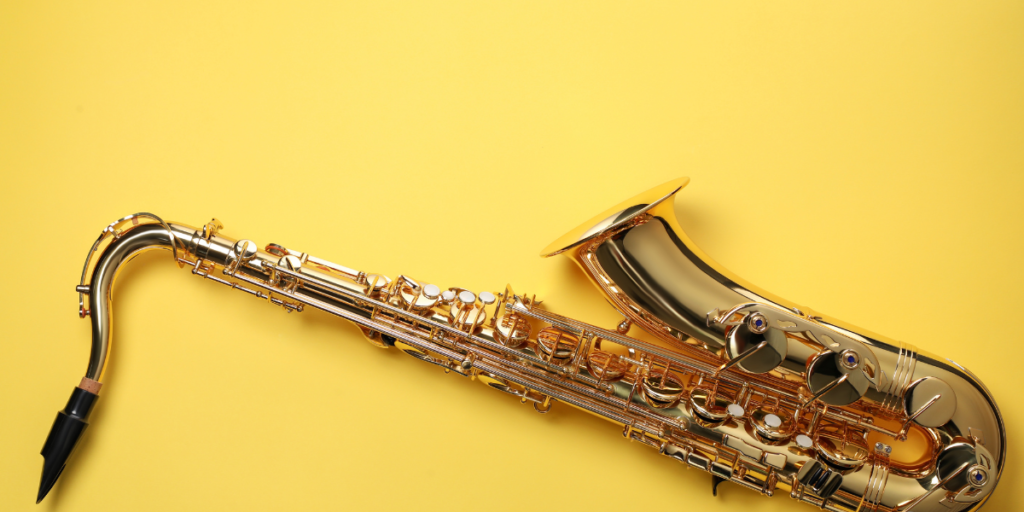
Tenor Saxophone : How to Start and Choose the Right Teacher in Toronto

The tenor saxophone in Toronto  is one of the most versatile and expressive instruments in modern music. From jazz and blues to rock, pop, funk, and classical ensembles, its warm tone and wide range make it a favorite among beginners and experienced musicians alike. If you’re in Toronto and thinking about starting your tenor saxophone journey or helping your child begin this guide will walk you through how to get started and how to choose the right teacher for long-term success.
Singing Lessons in Scarborough

Why Choose the Tenor Saxophone?

The tenor saxophone strikes a perfect balance between power and flexibility. Compared to alto saxophone, it has a deeper, richer sound, while still being more manageable than the larger baritone sax. This makes it a popular choice for students who want an instrument that grows with them.

Key benefits of learning tenor saxophone include:

  • Versatility across genres (jazz, R&B, classical, pop, big band)
  • Strong solo and ensemble presence
  • High demand in school bands and professional settings
  • Expressive tone that helps develop musicality

For many Toronto students, the tenor saxophone becomes not just an instrument, but a lifelong passion.

Getting Started with the Tenor Saxophone

1. Choosing the Right Instrument

Beginners don’t need a professional-level tenor saxophone right away. A reliable student or intermediate model is more than enough to build proper technique. Look for instruments that are well-regulated, easy to play, and serviced by a local music shop. Renting can also be a smart option when starting out.

2. Essential Accessories

To begin your tenor saxophone lessons, you’ll need:

  • A quality mouthpiece suitable for beginners
  • Reeds (start with strength 2 or 2.5)
  • A neck strap for comfort and posture
  • Cleaning tools to maintain the instrument

Your teacher can guide you on the best setup based on your age, hand size, and musical goals.

3. Learning the Basics

Early tenor saxophone lessons focus on:

  • Proper embouchure and breath support
  • Finger positioning and posture
  • Producing a clear, consistent tone
  • Reading music and understanding rhythm

Starting with the right fundamentals prevents bad habits and accelerates progress.

Why a Teacher Matters for Tenor Saxophone Students

While online videos and apps can be helpful, the tenor saxophone is an instrument that truly benefits from guided instruction. A qualified teacher provides real-time feedback on tone, technique, and posture things that are difficult to self-correct.

In a city like Toronto, where music education standards are high, working with the right instructor can make a significant difference in how quickly and confidently you progress.

How to Choose the Right Tenor Saxophone Teacher in Toronto

1. Experience with the Tenor Saxophone

Not all woodwind teachers specialize in saxophone. Look for an instructor with direct experience teaching tenor saxophone, including tone development, articulation, and stylistic playing.

2. Teaching Style and Structure

A good teacher adapts lessons to the student’s age, level, and goals. Whether you’re learning for fun, preparing for school band, or aiming for jazz improvisation, structured lessons with clear milestones are essential.

3. Genre Flexibility

Toronto’s music scene is diverse. A music teacher in Toronto  should be comfortable teaching multiple styles, such as jazz standards, contemporary music, and classical repertoire.

4. Patience and Communication

Especially for beginners, patience matters. The best teachers explain concepts clearly, encourage practice without pressure, and help students stay motivated.

5. Location and Convenience

Consistency is key to progress. Choosing a teacher or academy that’s easily accessible within Toronto helps students maintain regular weekly lessons without burnout.

One established option in the city for structured, student-focused music instruction is Elite Music Academy, which offers personalized learning environments for woodwind students at different levels.

What to Expect in Your First Few Months

During the first 2–3 months of tenor saxophone lessons, most students can expect to:

  • Play basic scales and simple melodies
  • Improve tone consistency
  • Read beginner-level sheet music
  • Develop steady rhythm and breathing control

With regular practice and a supportive teacher, progress can be surprisingly fast.

Practice Tips for Tenor Saxophone Beginners

  • Practice 20–30 minutes a day instead of long, infrequent sessions
  • Warm up with long tones to build sound quality
  • Use a metronome to improve timing
  • Record yourself to track improvement
  • Ask your teacher for clear weekly practice goals

Consistency matters more than perfection.

Conclusion

Learning the tenor saxophone is an exciting and rewarding musical journey. With the right instrument, consistent practice, and a knowledgeable teacher in Toronto, students can build confidence, creativity, and strong musical foundations. Whether your goal is personal enjoyment, school performance, or future professional growth, choosing the right guidance from the start makes all the difference.

Large Blob Small

How Can We help You Today?

Large Blob Small

"At Your Home" Lessons Request

Large Blob Small

Start a trial with

Tenor Saxophone: How to Start and Choose the Right Teacher in Toronto

March Break Camp Links

March break camp: Click here.

Summer Camp Links

July 8-12

Sax violin spot (2 spots left out of 2): Click here
Drum spot (1 spot left out of 3): Click here.
Guitar spot (4 spots left out of 8): Click here.
Bass guitar spot (2 spots left out of 3): Click here.
Piano/Keys spot (2 spots left out of 4): Click here.
Singer spot (4 spots left out of 4): Click here.

July 15-19

Sax violin spot (2 spots left out of 2): Click here
Drum spot (1 spot left out of 3): Click here.
Guitar spot (3 spots left out of 8): Click here.
Bass guitar spot (3 spots out of 3 spots): Click here.
Piano/Keys spot (1 spot left out of 4): Click here.
Singer spot (2 spots left out of 4): Click here.

July 22-26

Sax violin spot (1 spot left out of 2): Click here
Drum spot (3 spots left out of 3): Click here.
Guitar spot (6 spots left out of 8): Click here.
Bass guitar spot (2 spots left out of 3): Click here.
Piano/Keys spot (3 spots left out of 4): Click here.
Singer spot (3 spots left out of 4): Click here.

Aug 12-16

Sax violin spot (2 spots left out of 2): Click here
Drum spot (0 spots left out of 3): Click here.
Guitar spot (8 spots left out of 8): Click here.
Bass guitar spot (3 spots left out of 3): Click here.
Piano/Keys spot (2 spots left out of 4): Click here.
Singer spot (3 spots left out of 4): Click here.

March Break Camp Links

March break camp: Click here.

Summer Camp Links

July 8-12

Sax violin spot: Click here
Drum spot: Click here.
Guitar spot: Click here.
Bass guitar spot: Click here.
Piano/Keys spot: Click here.
Singer spot: Click here.


July 15-19

Sax violin spot: Click here
Drum spot: Click here.
Guitar spot: Click here.
Bass guitar spot: Click here.
Piano/Keys spot: Click here.
Singer spot: Click here.

July 22-26

Sax violin spot: Click here
Drum spot: Click here.
Guitar spot: Click here.
Bass guitar spot: Click here.
Piano/Keys spot: Click here.
Singer spot: Click here.

Aug 12-16

Sax violin spot: Click here
Drum spot: Click here.
Guitar spot: Click here.
Bass guitar spot: Click here.
Piano/Keys spot: Click here.
Singer spot: Click here.

Large Blob Small

Camp Registration