What is the difference between alto and tenor saxophone in Toronto ?

When it comes to saxophones, there are two main types: alto and tenor. Both have their own unique sound and style, but what exactly is the difference between the two? Let’s take a look.

Alto saxophones are the most popular type of saxophone. They are smaller and easier to play than tenor saxophones, making them a great choice for beginners. Alto saxophones also have a softer, more mellow sound than their tenor counterparts.

Tenor saxophones are slightly larger and more difficult to play than alto saxophones. They have a richer, fuller sound that is perfect for jazz and blues. Tenor saxophones are also the loudest type of saxophone, so if you’re looking to make a big impression, this is the instrument for you!

If you’re taking up the saxophone, enroll in our Saxophone lessons in Toronto and Online!
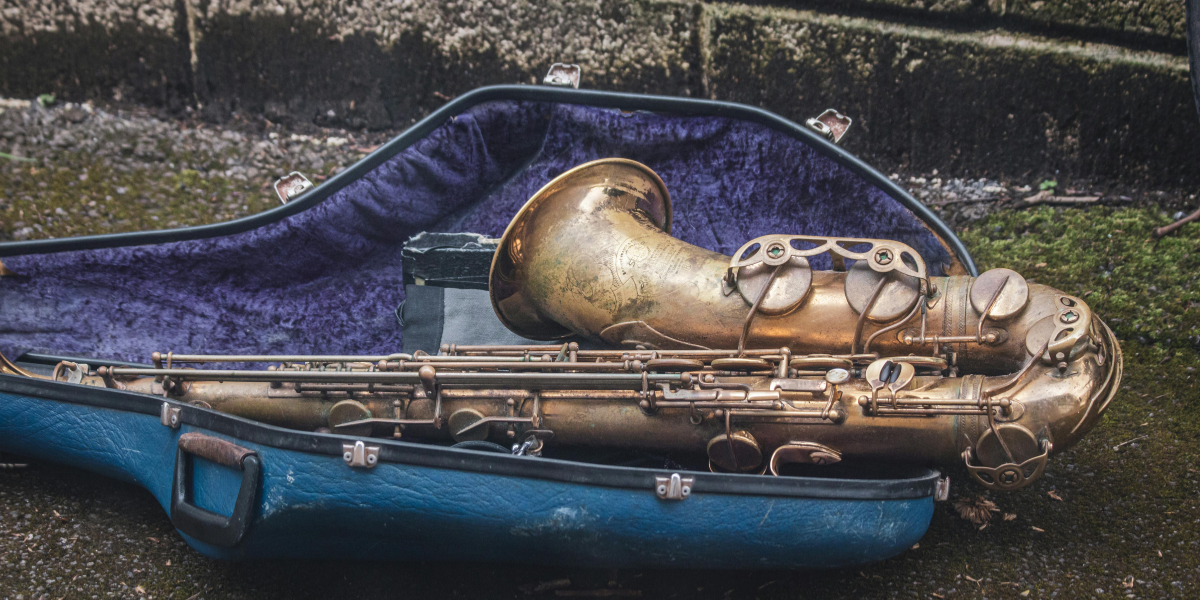
alto and tenor saxophone

Is it easier to play alto or tenor sax?

The alto sax is more popular than the tenor sax, but the tenor sax is considered to be more difficult to play. The style of music played on each instrument is also different, with the alto sax being more suited for jazz and the tenor sax being more suited for rock and roll.

Is Alto Sax Easier To Learn Than Tenor Sax?

There is no simple answer to this question as it depends on the individual. Some people may find alto sax easier to learn than tenor sax, while others may find the opposite to be true. Ultimately, it is up to the individual to decide which instrument they find easier to learn.

Is tenor sax louder than alto?

In general, the tenor sax is considered to be a bit louder than the alto sax, but both are popular choices for a wide range of music genres. While the alto sax may be slightly easier to learn, both instruments require dedicated practice and lessons to master.

How much does a decent saxophone cost?

A decent saxophone can cost anywhere from $500 to $5,000. The price depends on the popularity, difficulty, and style of the saxophone. Lessons are also a factor to consider when trying to learn how to play the saxophone. Jazz is a style of music that is very popular and can be difficult to learn.

Faqs

Q: What’s the main difference between alto and tenor saxophones?
A: The alto saxophone is smaller and produces a higher, brighter sound, while the tenor saxophone is larger and gives a deeper, richer tone. Their size and pitch are the key differences.

Q: Which saxophone is easier for beginners to play?
A: Many beginners start with the alto sax because it’s lighter, easier to hold, and requires less air, making it more comfortable for new players.

Q: Do alto and tenor saxophones use the same fingerings?
A: Yes, both instruments use the same basic fingering patterns. The difference is that the alto is in E‑flat and the tenor is in B‑flat, so the notes sound at different pitches.

Q: Which saxophone sounds louder or more powerful?
A: The tenor sax generally sounds louder and fuller due to its larger size and wider bore, making it ideal for solos and stronger projection.

Q: What type of music suits each saxophone?
A: Alto saxophones are great for bright melodies in jazz, classical, and pop, while tenor saxophones excel in deeper, soulful solos in jazz, blues, and rock.

Large Blob Small

How Can We help You Today?

Large Blob Small

"At Your Home" Lessons Request

Large Blob Small

Start a trial with

What is the difference between alto and tenor saxophone?

March Break Camp Links

March break camp: Click here.

Summer Camp Links

July 8-12

Sax violin spot (2 spots left out of 2): Click here
Drum spot (1 spot left out of 3): Click here.
Guitar spot (4 spots left out of 8): Click here.
Bass guitar spot (2 spots left out of 3): Click here.
Piano/Keys spot (2 spots left out of 4): Click here.
Singer spot (4 spots left out of 4): Click here.

July 15-19

Sax violin spot (2 spots left out of 2): Click here
Drum spot (1 spot left out of 3): Click here.
Guitar spot (3 spots left out of 8): Click here.
Bass guitar spot (3 spots out of 3 spots): Click here.
Piano/Keys spot (1 spot left out of 4): Click here.
Singer spot (2 spots left out of 4): Click here.

July 22-26

Sax violin spot (1 spot left out of 2): Click here
Drum spot (3 spots left out of 3): Click here.
Guitar spot (6 spots left out of 8): Click here.
Bass guitar spot (2 spots left out of 3): Click here.
Piano/Keys spot (3 spots left out of 4): Click here.
Singer spot (3 spots left out of 4): Click here.

Aug 12-16

Sax violin spot (2 spots left out of 2): Click here
Drum spot (0 spots left out of 3): Click here.
Guitar spot (8 spots left out of 8): Click here.
Bass guitar spot (3 spots left out of 3): Click here.
Piano/Keys spot (2 spots left out of 4): Click here.
Singer spot (3 spots left out of 4): Click here.

March Break Camp Links

March break camp: Click here.

Summer Camp Links

July 8-12

Sax violin spot: Click here
Drum spot: Click here.
Guitar spot: Click here.
Bass guitar spot: Click here.
Piano/Keys spot: Click here.
Singer spot: Click here.


July 15-19

Sax violin spot: Click here
Drum spot: Click here.
Guitar spot: Click here.
Bass guitar spot: Click here.
Piano/Keys spot: Click here.
Singer spot: Click here.

July 22-26

Sax violin spot: Click here
Drum spot: Click here.
Guitar spot: Click here.
Bass guitar spot: Click here.
Piano/Keys spot: Click here.
Singer spot: Click here.

Aug 12-16

Sax violin spot: Click here
Drum spot: Click here.
Guitar spot: Click here.
Bass guitar spot: Click here.
Piano/Keys spot: Click here.
Singer spot: Click here.

Large Blob Small

Camp Registration