
If you’re searching for a Violin Lesson in North York, you may have noticed that some teachers advertise violin lessons while others promote fiddle lessons. This often leads to confusion are the fiddle and violin different instruments, or are they simply different names for the same thing?
The truth is both simple and interesting. The violin and fiddle are physically the same instrument, but the style of music, technique, and teaching approach can differ greatly. Understanding these differences will help you or your child choose the right learning path and get more value from each Violin Lesson.
This complete guide explains the real difference between fiddle and violin lessons, what students can expect from each, and how to decide which style fits your goals best.
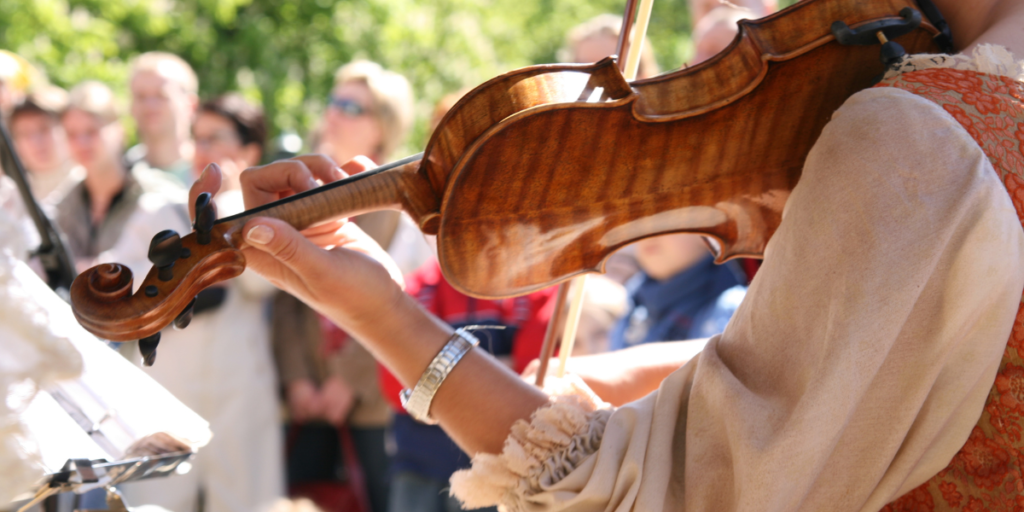
Are the Fiddle and Violin Different Instruments?
From a construction standpoint, there is no physical difference between a fiddle and a violin. They share the same shape, strings, tuning, and parts. The distinction comes from how the instrument is played and the type of music being taught.
When someone signs up for a Violin Lesson, it usually means formal training in classical technique and notation-based music. When someone takes fiddle lessons, the focus is more on traditional, folk, country, or roots music styles, often learned through listening and repetition.
So the instrument is the same and the musical language is different.
What Is a Violin Lesson?
A traditional Violin Lesson usually focuses on classical foundations and structured musical development. This approach is commonly used in music schools, exam systems, orchestras, and conservatory preparation.
What You Typically Learn in a Violin Lesson
Music Reading Skills
Students learn how to read sheet music, rhythms, dynamics, and articulation markings.
Proper Technique
Bow hold, posture, finger placement, and tone production are taught carefully from the beginning.
Repertoire Progression
Students move through graded pieces that build skill step by step.
Scales and Exercises
Technical drills help improve finger strength, intonation, and bow control.
Performance Training
Students prepare for recitals, exams, and ensemble playing.
A Violin Lesson is ideal for students who want structured progress, classical repertoire, and strong technical foundations.
What Is a Fiddle Lesson?
Fiddle lessons focus more on style, groove, and musical expression within folk traditions. Instead of strict classical structure, fiddle learning often emphasizes listening, imitation, and rhythmic feel.
What You Typically Learn in Fiddle Training
Style-Based Playing
Students learn genres such as folk, Celtic, country, and bluegrass styles.
Ear Training
Many fiddle tunes are learned by listening rather than reading notation.
Rhythmic Bowing Patterns
Special bow techniques create bounce, swing, and groove.
Improvisation and Variation
Students often learn how to decorate melodies and add personal style.
Jam Session Skills
Fiddle players are often trained to play with groups in informal settings.
While some fiddle teachers use sheet music, many rely more heavily on demonstration and repetition.
Technique Differences Between Fiddle and Violin Lesson Styles
Even though the instrument is the same, the technique emphasis can vary between a Violin Lesson and a fiddle-focused lesson.
Bowing Approach
In a Violin Lesson, bowing technique is highly refined and controlled. Students learn smooth strokes, dynamic control, and consistent tone.
In fiddle styles, bowing may be more rhythmic and percussive, with patterns designed to support dance music and groove.
Posture and Hold
Classical Violin Lesson training strongly emphasizes posture and standardized instrument positioning.
Fiddle players sometimes adopt more relaxed or varied holding styles depending on the genre and performance setting.
Tone Goals
Classical violin training aims for clean, pure tone and dynamic control.
Fiddle playing often embraces a more energetic or textured sound depending on the style.
Which Is Better for Beginners – Fiddle or Violin Lesson?
For beginners, the best starting point usually depends on musical goals, not difficulty level.
A Violin Lesson is often recommended for beginners because:
- It builds strong technical habits early
- It teaches music reading
- It creates a structured learning path
- It prepares students for multiple music styles later
Once a student has core technique, it becomes much easier to branch into fiddle styles if desired.
However, if a student is highly motivated by folk or country music and prefers learning by ear, a fiddle-focused path can also work well especially when guided by a skilled instructor.
Can You Switch Between Fiddle and Violin Styles?
Yes and many players do.
A student taking a Violin Lesson can later learn fiddle styles without changing instruments. In fact, strong classical training often makes style-switching easier because technical control is already developed.
Likewise, fiddle players can transition into formal violin study by learning music reading and refining technique.
The flexibility of the instrument is one of its biggest strengths.
What to Expect From a Violin Lesson in North York
When enrolling in a Violin Lesson in North York, students should expect:
- One-on-one or small group instruction
- Structured weekly progress
- Technique and repertoire balance
- Performance opportunities
- Personalized pacing
A quality music school will also tailor lessons based on age, experience level, and musical interest whether the student prefers classical, contemporary, or folk styles.
Students benefit most when lessons are consistent, goals are clear, and practice habits are supported between sessions.
At Elite Music Academy , students receive guided instruction that helps them build proper foundations while still exploring musical styles they enjoy.
How to Choose the Right Lesson Style
When deciding between fiddle and Violin Lesson styles, ask these questions:
- Do you want to learn classical music and read notation?
- Are you preparing for exams or orchestra participation?
- Do you enjoy folk, country, or Celtic music most?
- Do you prefer structured learning or ear-based learning?
- Are you learning for recreation or certification?
Your answers will point clearly toward the right path.
Remember starting with a Violin Lesson does not lock you into classical music forever. It simply gives you the widest technical base.
Conclusion
The difference between fiddle and violin comes down to style, technique focus, and teaching method not the instrument itself. Both paths are valid, musical, and rewarding.
If your goal is long-term musical growth, versatility, and technical confidence, a structured Violin Lesson is often the strongest starting point. From there, students can explore fiddle styles and other genres with greater control and understanding.
Choosing the right teacher and lesson structure matters more than the label. With proper guidance and consistent practice, students can succeed in any style they choose.
FAQs
1. Is a fiddle easier than a violin?
Not exactly. The instrument is the same. Fiddle styles may feel more relaxed, but both require skill and practice.
2. Can I take a Violin Lesson and still learn fiddle music?
Yes. Many students learn classical foundations first and later add fiddle styles.
3. Do beginners need to read music for a Violin Lesson?
Most Violin Lesson programs include music reading, but teachers can adapt methods for younger or ear-based learners.
4. Is a Violin Lesson good for adults starting late?
Absolutely. Adults can successfully begin violin at any age with the right instruction and practice plan.
5. How long does it take to learn violin basics?
With weekly Violin Lesson training and regular practice, most beginners can play simple songs within a few months.
6. Do I need to buy a violin before starting lessons?
Not always. Many schools and teachers can guide you on renting or choosing the right beginner instrument first.