
Whether you are a complete beginner picking up the bow for the very first time or a returning student looking to sharpen your technique, one of the biggest decisions you will face is choosing between group and private violin lessons in Toronto. Both formats have real advantages, and the right choice depends on your learning style, schedule, goals, and budget. This guide breaks down everything you need to know so you can make a confident, informed decision.
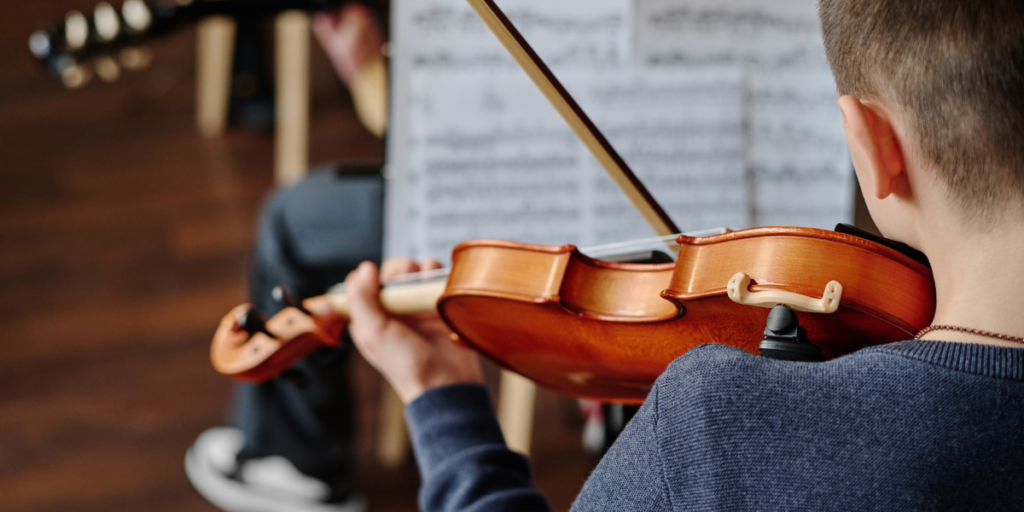
Private violin lessons remain the gold standard for serious learners, and it is easy to understand why. When you work one-on-one with a skilled violin teacher in Toronto, every minute of the session is devoted entirely to your progress. There are no distractions, no waiting for other students to catch up, and no holding back because someone else is still mastering a concept you already understand.
A dedicated violin teacher in Toronto will tailor the lesson plan specifically to your strengths and weaknesses. If you struggle with bow hold or intonation, your teacher can spend extra time on those areas without disrupting anyone else’s learning journey. This kind of personalized feedback is invaluable, particularly during the early stages when even small habits, good or bad, can shape your playing for years to come.
Another popular option for busy Torontonians is violin lessons at home. Many private instructors now offer in-home teaching, bringing everything you need right to your door. This is especially convenient for parents with young children, professionals with demanding schedules, or anyone who wants to eliminate commute time and practice in a familiar, comfortable environment. Violin lessons at home also tend to reduce pre-lesson anxiety, which helps students relax and absorb material more easily.
Group violin classes in Toronto offer a completely different energy, and for many students, that social dynamic is exactly what keeps them motivated. Learning alongside peers creates a sense of community and friendly accountability. When you see a classmate successfully play a tricky passage, it pushes you to try harder. When you play together as an ensemble, even at a beginner level, there is an immediate sense of musical accomplishment.
Group violin classes in Toronto are also significantly more budget-friendly than one-on-one instruction. For families with multiple children or adult beginners who are still deciding how committed they want to be, group lessons represent a lower financial risk. You still receive quality instruction from an experienced educator just in a shared setting.
Beyond cost, group settings develop listening skills that are harder to cultivate on your own. Playing in sync with others, matching pitch across the group, and learning how to blend your tone with fellow musicians are all real-world skills that serve you well in orchestras, school ensembles, and chamber music performances down the road.
Choosing the right format comes down to a few critical questions:
Absolutely. Many students in Toronto combine private lessons with group ensemble classes to get the best of both worlds. Private sessions build technique, musicality, and individual repertoire, while group classes develop ensemble skills and social engagement with music. This blended approach is particularly popular among younger students who benefit from the structured pace of one-on-one teaching while also enjoying the fun and camaraderie of playing with their peers.
Regardless of format, the quality of instruction matters most. Look for a violin teacher in Toronto who has formal training, experience teaching your age group, and a clear teaching philosophy. Reading reviews, attending a trial lesson, and asking about curriculum and progress milestones can all help you find the right match.
Elite Music Academy offers both private and group violin instruction for students of all ages and skill levels across Toronto. Whether you prefer one-on-one coaching at a dedicated studio or convenient violin lessons at home, their team of certified, passionate teachers is equipped to guide you from first note to confident performance.
The most important thing is simply to start. Whether you choose private or group violin lessons in Toronto, getting consistent instruction from a skilled educator is the single most powerful step you can take toward becoming the musician you want to be.
It depends on your personal goals, learning style, and budget. If you want accelerated progress, personalized feedback, and a custom curriculum, private lessons are ideal. If you are looking for an affordable, social, and motivating environment to get started, group violin classes in Toronto are a fantastic option. Many students eventually try both formats to find what works best for them.
Yes, violin lessons at home can be highly effective for beginners. Learning in a comfortable, familiar environment removes common barriers like travel stress and location anxiety. As long as the instructor is experienced and the student is consistent with practice, in-home lessons produce results that are comparable to studio-based instruction.
The cost of violin lessons in Toronto varies depending on the format, instructor experience, lesson length, and whether classes are in-studio or at home. Group violin classes in Toronto tend to be more affordable per session, while private lessons command a premium for the individualized attention they provide. Many music schools offer introductory pricing, package deals, and seasonal enrollment discounts.
Most violin teachers in Toronto recommend starting children between the ages of 4 and 7, when the brain is highly receptive to musical learning and motor skill development. However, violin is an instrument you can begin at any age. Adult beginners make tremendous progress with the right instruction and dedication. There is genuinely no age that is too late to start.
Look for a violin teacher in Toronto who holds formal training from an accredited music institution, has experience teaching students at your level, and communicates clearly about goals and expectations. A good teacher will offer a trial lesson, outline a structured curriculum, and provide regular progress updates. Positive student reviews and a warm, encouraging teaching style are also strong indicators of a great fit.

